

Do you remember the first time you felt the freedom of the open road? The wind rushing past, the roar of the engine, and the promise of adventure in every mile? Setting out on a rented motorcycle is more than just a trip—it’s a journey into the unknown, filled with excitement and discovery. But to ensure that your adventure is as smooth as it is thrilling, you need the right gear.
Let’s talk about what you really need to have with you when you embark on a motorcycle rental adventure. We’re not just talking about the basics; we’re talking about the gear that’ll make your trip unforgettable, safe, and absolutely enjoyable.
A helmet is more than a legal requirement; it’s your primary defense against unexpected events. When you rent a motorcycle, ensuring you have a well-fitted, high-quality helmet is non-negotiable.
Here’s a quick guide to different helmet types:
| Helmet Type | Description |
|---|---|
| Full-face | Covers your entire head and face, offering the most protection |
| Open-face | Covers your head but leaves the face exposed; less protective but better vision |
| Modular | A hybrid between full-face and open-face, with a lift-up chin bar |
| Half-helmet | Provides minimal coverage, mainly for cruiser-style riding |
Think about your trip’s needs when choosing. For long, speedy, or off-road adventures, a full-face or modular helmet is often best.
Choosing a helmet means looking beyond just the type. Important features include:
A motorcycle jacket doesn’t just look cool; it’s a crucial part of your protective gear. It guards you against the elements and offers protection in case of a fall.
Here’s a breakdown of common materials:
| Material | Advantages | Disadvantages |
|---|---|---|
| Leather | Durable, great abrasion resistance | Heavy, less breathable |
| Textile | Lighter, more breathable | Less abrasion resistance |
| Mesh | Excellent ventilation for hot climates | Less protective overall |
| Hybrid | Combines leather and textile for balance | Can be expensive |
Hand protection is often overlooked but absolutely essential. Gloves offer grip, protect your hands from the elements, and provide crucial protection in case of an accident.
Consider these types based on your riding conditions:
| Glove Type | Description |
|---|---|
| Full-Finger | Covers the entire hand, offering the most protection |
| Short-Cuff | Ends at the wrist for flexibility and ventilation |
| Gauntlet | Extends past the wrist for added protection and secure fit |
| Summer/Perforated | Lightweight and ventilated for hot weather |
| Winter/Heated | Insulated and sometimes electrically heated for cold weather |
Your ordinary shoes aren’t cut out for riding a motorcycle. Proper riding boots offer the support and protection you need.
Here’s what you can choose from:
| Boot Type | Description |
|---|---|
| Touring Boots | Designed for long-distance riding, comfortable and protective |
| Sport Boots | High on protection, often with ankle and shin guards |
| Off-road Boots | Designed for rugged terrains, offering maximum protection |
| Short Boots | Offer minimal coverage and best for occasional riders |
Do not underestimate the importance of good riding pants. Jeans may look rugged but they do little in the way of true protection.
Consider these options:
| Pant Type | Description |
|---|---|
| Textile Pants | Lightweight and often waterproof with armor at critical points |
| Leather Pants | Superior abrasion resistance but can be hot and less comfortable |
| Mesh Pants | Great for hot weather, providing airflow while still offering protection |
| Riding Jeans | Look like regular jeans but are fortified with Kevlar and armor inserts |
| Overpants | Designed to be worn over regular clothing, usually easy to remove |
Staying connected with your fellow riders or simply having the ability to call for help can be a game-changer.
| Device Type | Features |
|---|---|
| Bluetooth Headsets | Hands-free communication, music, and navigation |
| Two-Way Radios | Reliable communication in areas without cell coverage |
| GPS Devices | Dedicated navigation devices often with off-road mapping features |
Keeping in touch can provide peace of mind and ensure your group stays together.
When it comes to exploring unknown terrains, navigation tools are indispensable.
| Navigation Tool | Description |
|---|---|
| GPS Units | Dedicated motorcycle GPS units provide reliable navigation and often include route planning |
| Smartphone Apps | Apps like Google Maps or specialized motorcycle routes apps can be very convenient |
| Traditional Maps | Old-school paper maps as a backup in case tech fails |
A good navigation system can save you from potential detours and help you discover scenic routes.
From your essentials to souvenirs, carrying capacity is key.
| Luggage Type | Description |
|---|---|
| Saddlebags | Attach to the sides of the bike, offering balanced storage |
| Tail Bags | Sit on the rear seat or luggage rack, easy to install and remove |
| Tank Bags | Attach to the fuel tank, offering easy access to essential items |
| Backpacks | Convenient but can be uncomfortable for long rides |
Accidents happen, and being prepared with a compact first aid kit can make all the difference.
Having a first aid kit ensures you can handle minor injuries and continue your adventure with confidence.
A minor mechanical issue shouldn’t ruin your trip. Carrying a small emergency tool kit can save the day.
An emergency tool kit can turn potential breakdowns into minor hiccups.
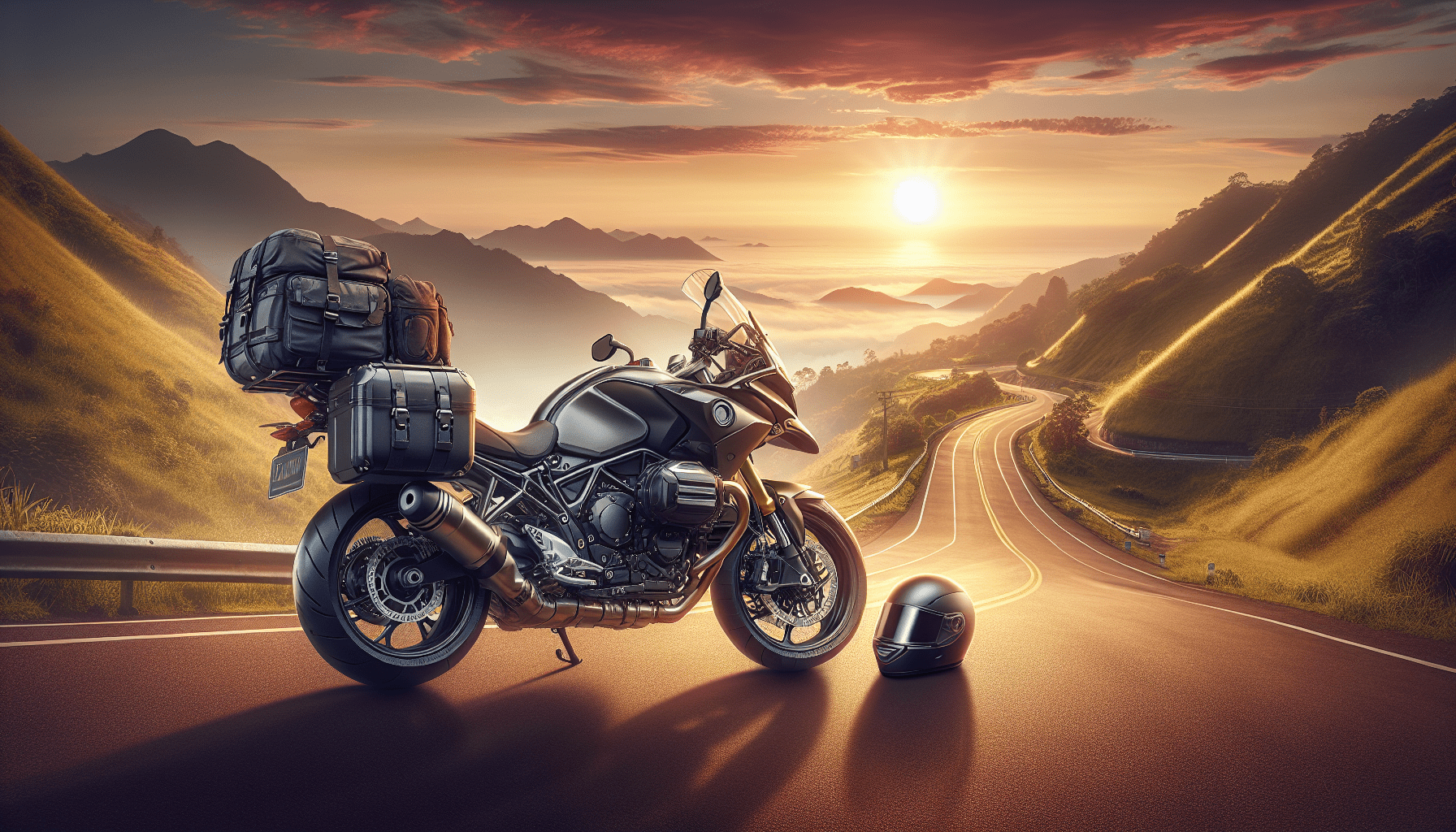
With the right gear in hand, you’re not just ready for the road; you’re prepared for the journey of a lifetime. Each piece of equipment plays a crucial role in not only your safety but also in the enjoyment of your trip. Whether it’s the helmet cradling your head, the gloves protecting your hands, or the GPS navigating your way, these essentials ensure that your adventure on a rented motorcycle is everything you dreamed it would be and more. So, gear up and let every mile tell a story.
